
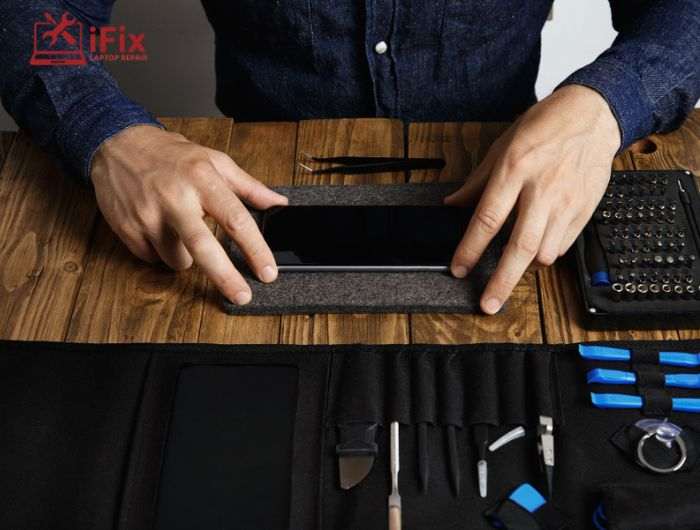
Modern technology has made devices faster, slimmer, and more powerful. However, these improvements come with a trade-off. Why modern smartphones are harder to repair is a question many users now ask when facing even minor device issues.
From design choices to software restrictions, repairs today are far more complex than they used to be. Understanding these repair challenges helps you make smarter decisions about maintenance, repairs, and overall device care.
→ If your phone is acting up, don’t wait until the issue gets worse. Get it checked by professionals who can diagnose the problem accurately and fix it safely without risking further damage.
Ultra-Thin Design Limits Repair Access
One major reason why modern smartphones are harder to repair is their ultra-thin design. Manufacturers focus heavily on sleek aesthetics and lightweight builds, which reduces internal space.
In older phones, components were easier to access because they were not tightly packed. Today, even basic fixes require careful disassembly of multiple layers. This compact structure increases overall smartphone repair difficulty, especially for non-professionals.
Non-Removable Batteries Add Complexity
The shift to a non-removable phone battery has significantly impacted repairability. Earlier devices allowed users to simply remove and replace batteries. Now, batteries are sealed inside with adhesive.
This leads to common battery smartphone issues, such as:
- Faster battery degradation
- Risk of damage during removal
- Need for heat tools to loosen adhesive
Battery replacement is no longer a simple task, adding another layer to why modern smartphones are harder to repair.
💭 If your phone battery is draining quickly or overheating, it’s better to get it checked early instead of risking further damage.
Extensive Use of Adhesives
Modern smartphones rely heavily on strong adhesives instead of screws. This design improves water resistance and durability but makes repairs more difficult.
Removing glued components requires precision and heat control. Without proper tools, there is a high risk of:
- Cracked screens
- Torn internal cables
- Damaged frames
This is another key factor contributing to why modern smartphones are harder to repair.
Compact Motherboard Design
Another major factor is the compact motherboard design. Components are now densely packed and often layered on top of each other.
This means:
- One repair often requires removing multiple parts
- Damage to one area can affect multiple functions
- Repairs take more time and skill
The shift toward compact engineering directly increases smartphone repair difficulty and makes DIY fixes far less practical.
→ Not sure what’s wrong with your phone?
Integrated Components Increase Risk
Modern devices combine multiple functions into a single component. For example:
- Displays may include fingerprint sensors
- Cameras are linked with stabilization modules
- Speakers and sensors are built into tight assemblies
This integration means that replacing one part often requires replacing or handling several others. It’s another reason why modern smartphones are harder to repair compared to older, modular designs.
Parts Pairing and Software Restrictions
One of the most significant changes in recent years is the pairing of parts restrictions. Manufacturers now use software locks and calibration systems to ensure components are genuine.
After replacing certain parts, devices may require:
- Software pairing tools
- Calibration procedures
- Manufacturer authorization
Without these features, like Face ID, fingerprint sensors, or battery health tracking, they may not work properly. These parts-pairing restrictions are a major reason why modern smartphones are harder to repair.
Have questions about your device issue? Contact Us
Fragile Materials Increase Repair Risk
Modern smartphones use premium materials like glass backs and ultra-thin cables. While these improve design and performance, they are more delicate.
During repair, even a small mistake can lead to:
- Broken glass panels
- Damaged connectors
- Expensive replacements
This fragility adds to the growing smartphone repair difficulty and explains further why modern smartphones are harder to repair.
Limited Access to Genuine Parts
Manufacturers now tightly control spare parts distribution. This affects:
- Availability of high-quality components
- Repair costs
- Repair reliability
Using low-quality parts can result in overheating, reduced performance, or repeated failures. Limited access is another important reason why modern smartphones are harder to repair today.
Repairability Scores Are Declining
The concept of repairability score for smartphones has gained attention in recent years. Many modern devices score lower due to:
- Sealed designs
- Integrated components
- Software restrictions
Lower scores indicate that devices are harder to open, fix, and reassemble. This trend clearly highlights why modern smartphones are harder to repair compared to older models.
Why Professional Repair Matters More Now
Given these challenges, professional repair services have become more important than ever. Experts have:
- Specialized tools
- Technical training
- Access to proper parts
Trying to fix modern devices without experience can lead to permanent damage. Professional handling ensures safe and reliable results.
If you prefer quick support or want to speak directly with an expert, reaching out can save you time.
Conclusion
Modern smartphones offer impressive performance and sleek designs, but these advancements come with trade-offs. Features like ultra-thin builds, tightly packed internal components, sealed batteries, and software restrictions have made repairs more complex than before.
Being aware of these challenges allows users to handle their devices more carefully and make better choices when it comes to maintenance and repairs.
FAQs
- Why are modern smartphones more difficult to repair than older models?
Modern smartphones use compact designs, sealed components, and software restrictions, making repairs more complex and technical.
- Can I replace a non-removable battery at home safely?
It is possible but risky, as improper handling can damage internal components or cause safety hazards.
- What are the parts pairing restrictions in smartphones?
These are software locks that require new components to be verified and calibrated to function properly.
- Do repairability scores really matter when buying a phone?
Yes, they indicate how easy and affordable it will be to repair your device in the future.
- Is professional repair always better than DIY fixes?
For modern devices, professional repair is usually safer and more reliable due to the complexity and required tools.
