
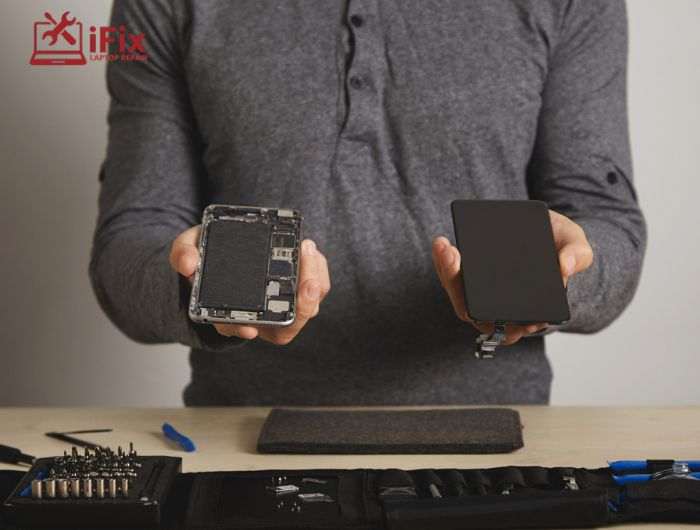
When people replace a damaged iPhone screen or battery, they often expect the device to work normally afterward. Instead, some users see warning messages, disabled features, or reduced functionality. That happens because of Apple parts pairing, a hardware and software verification system designed to authenticate specific components inside Apple devices.
What is Parts Pairing in Apple Devices?
Parts pairing is a process where certain internal components are digitally linked to a device’s logic board. Apple uses serialized identifiers to confirm that installed parts match the device’s internal records.
This system mainly affects newer iPhones, iPads, and MacBooks. Components such as displays, batteries, cameras, and biometric sensors are often verified through software after installation.
In simple terms, replacing a physical part is no longer enough. The device may also require calibration and authentication.
This is where many repair challenges begin.
Why Apple Introduced This System
Apple states that the system improves security, performance consistency, and device reliability. Some components, especially biometric hardware, contain sensitive data tied to encryption and user privacy.
For example:
- Face ID relies on secure communication between sensors and the logic board
- Battery systems use calibration data for accurate health reporting
- Displays require tuning for color accuracy and brightness consistency
Apple also argues that unauthorized components can create safety risks or inconsistent performance.
At the same time, critics believe these measures contribute to growing Apple repair restrictions, especially for independent repair shops and consumers who want affordable repairs.
Which Components Are Commonly Paired?
The table below shows the parts most frequently affected.
Device | Common Paired Components | Possible Issues After Replacement |
iPhone | Display, battery, camera, Face ID | Warnings, disabled features |
MacBook | Touch ID, display assembly | Authentication failures |
iPad | Screen assemblies | Calibration issues |
Apple Watch | Sensors and display | Feature limitations |
Many newer devices rely on serialized Apple components, meaning every major part contains unique identification data.
What Happens After an Unverified Repair?
The effects vary depending on the device and the replaced component.
Common issues include:
- “Unknown Part” notifications
- Disabled True Tone functionality
- Face ID failure
- Battery health information disappearing
- Camera performance warnings
One of the most common complaints is the iPhone parts pairing issue that appears after third-party screen or battery replacements. Even when high-quality components are installed, the phone may still display alerts because the replacement part was not authenticated through Apple’s system.
In some cases, the device still functions normally. In others, important features become partially restricted.
How This Impacts Independent Repair Shops
Independent repair businesses have faced major challenges as repair systems become more software-dependent.
Traditional repairs focused mainly on hardware replacement. Today, technicians often need:
- Calibration tools
- Device-specific software access
- Manufacturer authentication systems
- Repair documentation and diagnostics
This shift has increased repair complexity across the industry.
According to Statista, the global refurbished smartphone market continues to grow rapidly, with used and refurbished smartphone shipments expected to exceed 431 million units by 2027.
That growth is one reason the repair ecosystem has become more important for consumers trying to extend device lifespan instead of purchasing new phones every few years.
→ Device Showing Repair Warnings?
Professional diagnostics can help determine whether the issue is related to hardware damage or software authentication.
Genuine Parts vs Third-Party Components
Apple devices can now detect whether installed components match factory records. If verification fails, users may receive a genuine Apple parts warning inside device settings.
This does not always mean the replacement component is fake. Sometimes the part is original but removed from another device and installed without Apple’s calibration process.
That distinction matters because many repair shops use recycled original parts sourced from damaged devices.
Authorized Repair Providers
Authorized repair centers typically have access to:
- Official Apple diagnostic software
- Calibration tools
- Genuine replacement inventory
- System configuration utilities
These tools allow technicians to complete verification after installation.
Independent Repair Shops
Independent shops may offer:
- Lower repair costs
- Faster turnaround times
- Board-level repair expertise
- Refurbished or recycled components
However, software limitations can still trigger compatibility notifications.
Why Apple Parts Pairing Fuels the Right-to-Repair Debate
Parts authentication has become a major topic in the global right-to-repair movement.
Supporters of repair reform argue that consumers should have the freedom to repair devices without manufacturer limitations. Several governments have already introduced legislation encouraging repair accessibility and longer product lifecycles.
Apple, on the other hand, maintains that hardware verification protects security, reduces counterfeit components, and improves overall device safety.
The debate continues because both concerns are valid.
Security matters, especially for devices storing sensitive personal and financial information. At the same time, repair access affects affordability, sustainability, and electronic waste reduction.
Apple’s Self-Service Repair Program
To address growing pressure from regulators and consumers, Apple introduced the Apple self-service repair program in 2022.
The program allows users to:
- Purchase official replacement parts
- Rent specialized repair tools
- Access repair manuals
- Perform approved repairs at home
Apple has gradually expanded support for additional products and repairs over time.
Still, the process is not simple for average users. Many repairs require technical precision, careful calibration, and specialized handling.
👉 Need Professional Repair Support?
If your device shows pairing or calibration issues after a repair, expert technicians can help diagnose the problem safely.
Practical Tips Before Repairing Your Apple Device
Before replacing any major component, keep these tips in mind:
1. Check Warranty Coverage
Repairs performed outside authorized channels may affect warranty eligibility.
2. Ask About Calibration
Not every repair shop can complete software pairing procedures.
3. Back Up Your Data
Always create a full backup before hardware repairs.
4. Understand Feature Risks
Face ID, battery health reporting, and display settings may be affected after certain repairs.
5. Choose Experienced Technicians
Modern Apple repairs often involve microsoldering, diagnostics, and software configuration.
→ Unsure About Your Repair Options?
A quick diagnostic consultation can help you understand whether repair or replacement is the better choice.
Conclusion
Apple parts pairing has changed how modern device repairs work by combining hardware replacement with software authentication. While the system improves security and device reliability, it also creates repair challenges for users and independent shops.
Understanding these limitations helps consumers make informed repair decisions and avoid unexpected functionality issues after service.
FAQs
What is Apple parts pairing?
Apple parts pairing is a verification process that links specific hardware components to a device’s logic board through software authentication.
Why does my iPhone say “Unknown Part” after a repair?
This warning usually appears when the installed component has not been verified through Apple’s calibration system.
Can third-party repair shops fix paired Apple parts?
Some independent repair shops can perform advanced repairs, but access to Apple’s official software tools may still be limited.
Does replacing an iPhone battery affect performance?
In some cases, battery replacements may disable battery health reporting if the part is not properly authenticated.
Is Apple parts pairing only used in iPhones?
No. Apple also uses pairing systems in MacBooks, iPads, and Apple Watches.
Are genuine Apple parts always required?
Not always, but using verified components can help reduce compatibility warnings and feature limitations.
Can Face ID stop working after screen replacement?
Yes. Certain repairs involving Face ID hardware can disrupt communication between paired security components.
Is Apple’s self-service repair program suitable for beginners?
Most repairs still require technical skills, specialized tools, and careful handling.
Final Thoughts
Modern device repairs are no longer just about replacing broken hardware. Software authentication now plays a major role in how Apple products function after service.
Understanding Apple parts pairing helps consumers make smarter repair decisions, avoid unexpected feature limitations, and choose the right repair option for their needs.
As repair technology evolves, the balance between security, repair freedom, and sustainability will continue shaping the future of consumer electronics.
