
If you’ve noticed repairs becoming quicker and more precise, it’s not just better tools or experience. AI diagnostics in device repair is now playing a central role in how faults are identified and resolved.
Unlike traditional methods, where technicians relied heavily on manual testing, AI diagnostics in device repair uses data-driven systems to analyse devices in seconds. This shift is not just improving speed, but also changing the accuracy and reliability of repairs.
What is AI Diagnostics in Device Repair?
At its core, AI diagnostics in device repair is about using intelligent algorithms and smart repair software to evaluate a device’s condition. These systems are trained on thousands of real repair cases, which allows them to recognise patterns and detect faults almost instantly.
Instead of checking each component one by one, technicians can now run advanced device testing that:
- Scans internal systems in real time
- Identifies irregular performance patterns
- Flags potential hardware failures
- Suggests the most likely root cause
This removes much of the uncertainty that used to come with diagnosing complex issues.
Why Traditional Diagnostics Often Fall Short
Before the rise of AI diagnostics in device repair, troubleshooting depended heavily on experience and the process of elimination.
For example, if a phone had charging issues, a technician might:
- Replace the charging port first
- Then test the battery
- Then inspect the motherboard
This method worked, but it was time-consuming and sometimes inefficient. In more complex cases, especially with laptops, identifying the root cause could take hours.
Traditional vs AI Diagnostics in Device Repair
Aspect | Traditional Diagnostics | AI Diagnostics in Device Repair |
Diagnosis Time | Hours to days | Minutes |
Accuracy Level | Based on experience | Data-driven and highly precise |
Process | Manual testing and trial-and-error | Automated analysis and smart scanning |
Error Risk | Higher chance of misdiagnosis | Reduced human error |
Device Handling | Often requires opening the device early | Non-invasive initial testing |
Cost Efficiency | May increase due to guesswork | More cost-effective |
Predictive Capability | Not available | Detects issues before failure |
Laptop Troubleshooting | Complex and time-consuming | Automated and streamlined |
Customer Experience | Slower and uncertain | Faster and more reliable |
How AI Is Improving Speed and Accuracy
The biggest advantage of AI diagnostics in device repair is how it combines speed with precision.
- Studies show AI-driven diagnostics can reduce troubleshooting time by up to 70%, making repairs significantly faster than traditional methods.
Data-Driven Detection
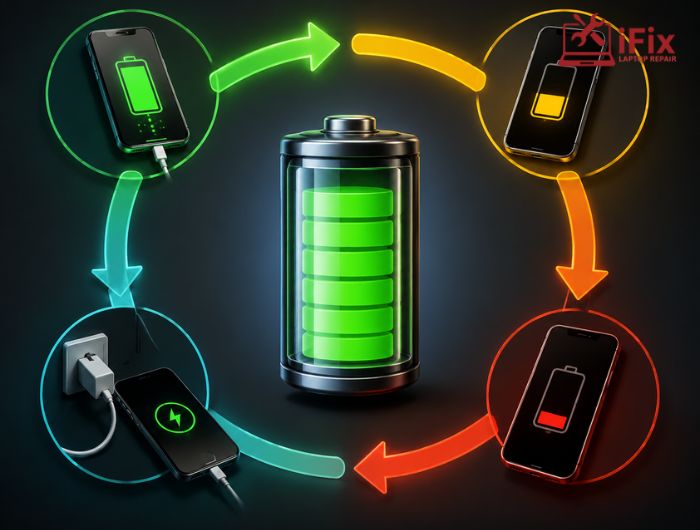
Modern AI phone diagnostic tools can analyse logs, battery cycles, and thermal patterns within minutes. This allows faults to be identified without dismantling the device unnecessarily.
Reduced Human Error
Even experienced technicians can misdiagnose overlapping issues. With AI repair technology in 2026, decisions are backed by data rather than assumptions.
- In many technical environments, AI systems have been shown to improve diagnostic accuracy by up to 90%, reducing the risk of misdiagnosis.
Faster Turnaround
Because the problem is identified the first time correctly, repairs are completed faster, often on the same day.
If your phone has issues like overheating or battery drain, choosing a repair service that uses AI-based diagnostics can significantly reduce downtime and avoid repeated visits.
→ Phone issues slowing you down? Get fast, accurate repairs with AI-powered diagnostics and avoid repeat problems.
Where Laptops Benefit the Most
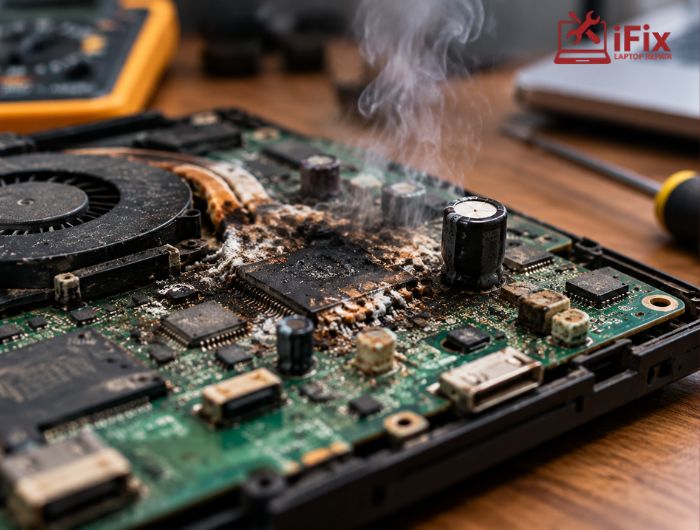
While phones benefit greatly, laptops see even greater improvements through automated laptop troubleshooting.
Laptops have more complex systems, including:
- Multi-layered hardware components
- Thermal management systems
- Software-hardware interaction issues
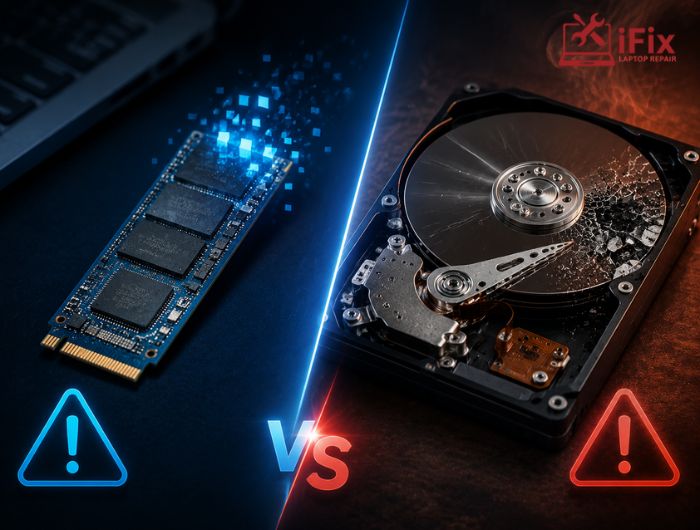
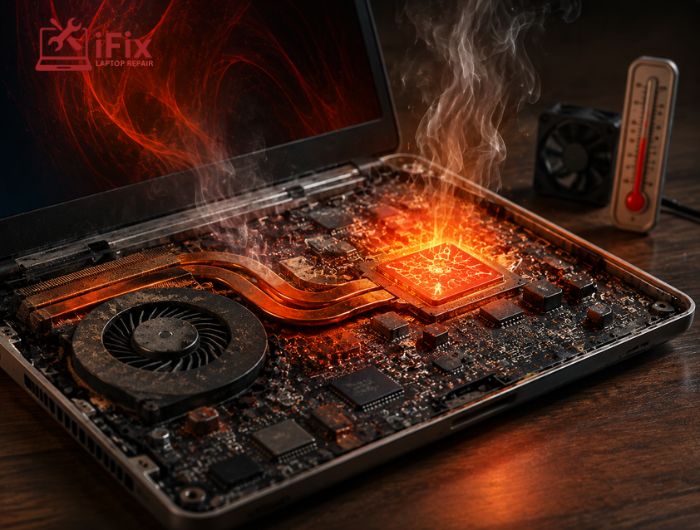
AI tools can track system behaviour over time and identify patterns that would be difficult to catch manually. With advanced device testing, technicians can diagnose issues like overheating CPUs or failing storage drives without extensive trial and error.
If your laptop has been slowing down or randomly shutting off, getting it checked with AI-powered diagnostics can help identify the exact issue before it worsens.
😕 Laptop not performing as it should? Identify the exact issue quickly with advanced AI-based diagnostics.
Does AI Replace Human Expertise?
There’s a common assumption that automation reduces the need for skilled technicians. In reality, AI diagnostics in device repair works best alongside human expertise.
AI can:
- Analyse data quickly
- Suggest possible faults
- Highlight risk areas
But technicians are still essential for:
- Physically repairing components
- Interpreting complex cases
- Making final decisions
So rather than replacing jobs, AI is making technicians more efficient and accurate.
Why This Shift Matters for Customers
From a customer’s perspective, the impact of AI diagnostics in device repair is very practical.
You benefit from:
- Quicker diagnosis and repair times
- Fewer unnecessary part replacements
- Lower chances of recurring issues
- Better transparency in what’s actually wrong
This is particularly important if you rely on your phone or laptop daily and cannot afford long repair delays.
Not sure what’s wrong with your device? Talk to an expert and get clear answers before you spend on repairs.
The Future of AI in Device Repair
The evolution of AI diagnostics in device repair is still ongoing. As systems become more advanced, we can expect:
- Smarter AI phone diagnostic tools with real-time monitoring
- Wider adoption of smart repair software across repair shops
- Improved predictive hardware failure detection
- Even more efficient and accurate repair workflows
In the coming years, repairs will likely become more preventative rather than reactive.
- Predictive systems can reduce unexpected device failures by 30–50%, helping users avoid sudden breakdowns.
When Should You Consider AI-Based Diagnostics?
If your device shows early signs like:
- Slower performance
- Unusual heating
- The battery is draining faster than usual
It’s worth getting it checked using AI diagnostics in device repair. Early detection can prevent costly repairs later.
→ Catch issues early before they get worse. Run a quick AI-powered check to detect hidden problems in minutes.
Final Thoughts
In 2026, AI diagnostics in device repair are redefining how phones and laptops are fixed. With faster detection, improved accuracy, and predictive insights, it reduces delays and repeat issues.
As technology evolves, choosing repair services that use AI-driven tools ensures more reliable results and a smoother overall repair experience.
FAQs
- What makes AI diagnostics better than manual testing?
AI diagnostics in device repair uses data patterns and automated analysis, making it faster and more accurate than manual methods.
- Is AI used in both phone and laptop repairs?
Yes, it powers both AI phone diagnostic tools and automated laptop troubleshooting, improving efficiency across devices.
- Can AI really predict hardware failures?
With predictive hardware failure detection, AI can identify warning signs before a component fully fails.
- Are AI-based repairs expensive?
Not necessarily. In many cases, accurate diagnosis actually reduces unnecessary costs.
- How long does an AI-based diagnosis take?
Most scans using advanced device testing can be completed within minutes, depending on the issue.
