
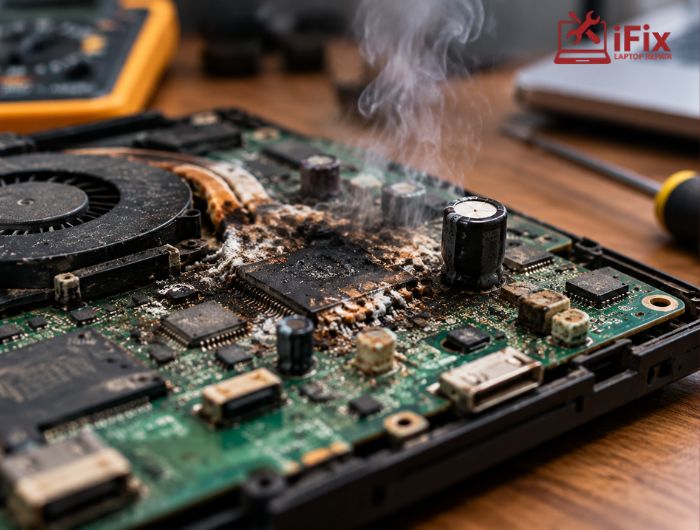
Have you ever wondered why a device that worked perfectly for years suddenly starts slowing down, overheating, or stops working altogether? The truth is that every electronic device has a limited lifespan.
Over time, heat, dust, battery ageing, electrical stress, and continuous use gradually affect internal components. Understanding why electronics fail over time can help you recognise early warning signs, reduce unnecessary wear, and avoid unexpected breakdowns.
In this blog, we’ll explain the most common causes of electronic failure, how to spot problems early, and what you can do to keep your devices running reliably for longer.
→ Book a Free Device Health Check
Concerned about your device’s condition? Book a free device health check for a professional assessment.
What Are the Most Common Causes of Electronic Failure?
Why electronics fail over time is largely due to the natural ageing of internal components. Heat, repeated electrical cycles, dust accumulation, battery degradation, and everyday use gradually reduce reliability until parts eventually begin to fail.
Several factors contribute to electronic component ageing, but some are far more common than others.
Heat Damage
Heat is one of the leading causes of long-term electronic failure.
High temperatures can:
- Accelerate battery ageing
- Reduce processor efficiency
- Damage sensitive electronic components
- Dry out thermal materials over time
Devices that frequently overheat often experience faster hardware deterioration than those operating within normal temperature ranges.
Dust Buildup
Dust may seem harmless, but it can significantly impact electronic reliability.
Dust can:
- Block cooling vents
- Reduce airflow
- Increase internal temperatures
- Force cooling fans to work harder
As temperatures rise, internal components experience additional stress, contributing to gradual hardware degradation.
Regular cleaning helps maintain proper cooling and reduces unnecessary wear.
Battery Degradation
Rechargeable lithium-ion batteries naturally lose capacity as they age.
Over time, you may notice:
- Shorter battery life
- Slower charging
- Unexpected shutdowns
- Reduced overall performance
Replacing a worn battery at the appropriate time can often restore everyday usability without replacing the entire device.
Electrical Surges and Power Fluctuations
Sudden power surges can damage delicate electronic circuits even if the effects are not immediately noticeable.
Repeated exposure may gradually weaken components such as:
- Power management circuits
- Charging systems
- Motherboards
- Internal connectors
Using appropriate surge protection can reduce the risk of electrical damage and improve long-term reliability.
What Are the Early Warning Signs of Electronic Failure?
Many electronic failures develop gradually rather than occurring without warning.
Common signs include:
- Frequent overheating
- Slower performance
- Random restarts
- Unexpected shutdowns
- Charging problems
- Unusual fan noise
- Display flickering
Recognising these symptoms early makes it easier to identify the underlying cause before additional components are affected.
- Battery University explains that elevated operating temperatures accelerate the ageing of lithium-ion batteries, causing them to lose capacity more quickly than batteries used under moderate temperature conditions.
Can You Prevent Electronics from Failing?
Although no electronic device lasts forever, good maintenance habits can slow component ageing and reduce the risk of unexpected failures. While these steps cannot completely prevent failure, they can improve reliability and help explain why electronics fail over time less quickly.
Here are some practical ways to protect your devices:
- Keep cooling vents and ports free from dust.
- Avoid exposing devices to excessive heat.
- Install software and security updates regularly.
- Use quality chargers and power adapters.
- Protect devices from power surges.
- Avoid physical impacts and moisture.
- Schedule routine preventive maintenance.
These simple habits help improve device lifespan while reducing unnecessary stress on internal components.
→ Noticing Warning Signs?
If your device has started overheating, restarting unexpectedly, or showing other signs of failure, call us today for a professional inspection.
When Should You Repair or Replace Electronics?
Not every hardware problem means it’s time to replace your device. In many situations, repairing a single faulty component is more practical and cost-effective.
A repair may be the better option if:
- Only one component has failed.
- The repair cost is reasonable.
- The device still meets your daily needs.
- Replacement parts are readily available.
Replacing the device may be worth considering if:
- Multiple major components have failed.
- Repair costs are close to the price of a new device.
- The manufacturer no longer provides software or security updates.
- The device no longer supports the applications you need.
Understanding why electronics fail over time helps you make informed decisions about whether repair or replacement offers the best long-term value.
Why Early Device Diagnostics Can Prevent Costly Repairs
Many hardware failures begin with small warning signs that are easy to overlook. Identifying these issues early often prevents additional components from being affected.
Benefits of early diagnostics include:
- More accurate fault identification
- Reduced risk of repeat failures
- Better repair planning
- Lower long-term repair costs
- Improved device reliability
👉 Need Help? Get in Touch
If you’re unsure why electronics fail over time or your device has started showing signs of a hardware problem, contact us for a professional assessment.
Frequently Asked Questions
Why do electronics fail over time?
Electronic components naturally wear out due to heat, electrical stress, dust, battery ageing, and regular use.
Does overheating damage electronics?
Yes. Excessive heat can shorten the lifespan of batteries, processors, and other internal components.
Can dust cause electronic devices to fail?
Yes. Dust restricts airflow, increases operating temperatures, and may contribute to hardware degradation.
How long do most electronic devices last?
The lifespan varies depending on the device, usage, and maintenance, but proper care can significantly improve longevity.
Can preventive maintenance reduce hardware failures?
Yes. Routine cleaning, software updates, and inspections help identify developing issues before they become major faults.
When should I have my device professionally inspected?
If you notice overheating, charging issues, unexpected shutdowns, or reduced performance, a professional inspection is recommended.
Conclusion
Understanding why electronics fail over time helps you recognise early warning signs and take practical steps to protect your devices. Regular maintenance, proper cooling, careful charging habits, and early diagnostics can improve reliability and extend device lifespan.
When problems do occur, addressing them promptly can often prevent more extensive damage and help you make informed repair decisions.
